
Separate search interest from confirmed venue facts
Search terms point to questions about stays, gaming and amenities, but details such as a hotel connection need confirmation from the operator.
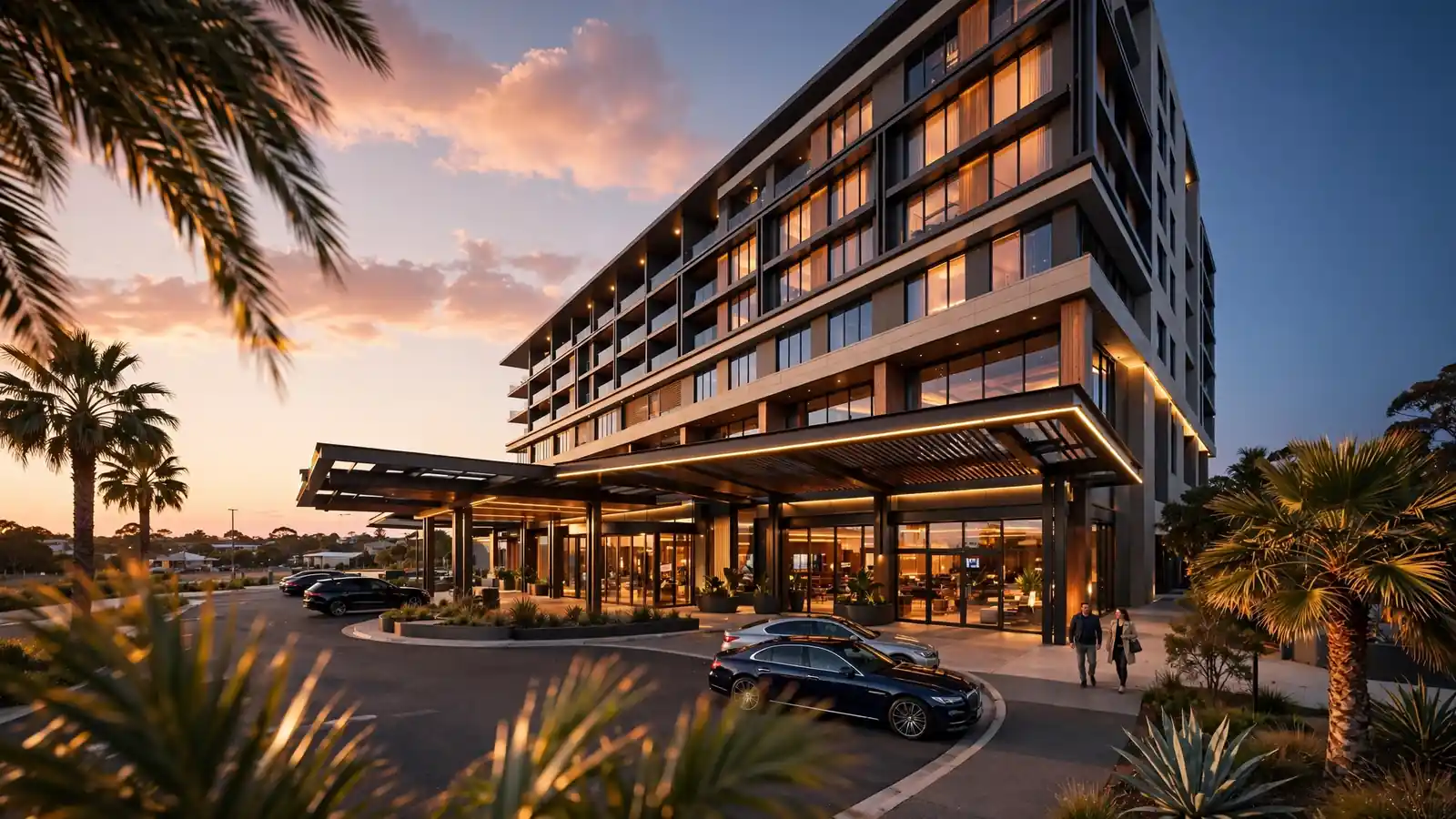
Casino Hotels: What the Search Terms Do—and Don’t—Establish
A casino hotel search combines two separate questions: whether a casino and a hotel are connected, and what accommodation is available. The wording alone does not establish that a particular Western Australian property operates both, that hotel rooms are currently bookable, or that a casino is part of the hotel. Those details require confirmation from the property itself.
The distinction matters because “casino hotel” can describe different arrangements. A hotel might be on the same site as a casino, be connected to it, or simply appear in results alongside casino-related information. A listing or search result is not enough to distinguish those cases. Before treating a property as a casino hotel, the relationship between the accommodation and the venue needs to be stated clearly by the operator.
Room searches have a similarly narrow meaning. They indicate interest in lodging associated with a casino, but do not establish room types, availability, amenities, or booking conditions. A room photograph or generic property description cannot settle whether a particular room is offered for the intended dates. Availability is date-dependent, and the price shown at one point may not apply to another stay.
Operators
Choosing an online casino while in Western Australia calls for a careful look at the information available about each operator. Use these short verdicts as a reference when considering the options for 2026.
-
LuckyVibe
- License
- Curacao Gaming Control Board OGL/2023/176/0095 (Hollycorn N.V.)
LuckyVibe is listed with a Curaçao Gaming Control Board licence, number OGL/2023/176/0095, held by Hollycorn N.V.
-
Playfina Casino
- License
- Curacao eGaming (Hollycorn N.V., since 2017)
- Min. deposit
- A$20-30 (depends on the offer)
Playfina Casino is associated with Hollycorn N.V. and has operated under Curaçao eGaming since 2017. Its minimum deposit is A$20–30, depending on the offer.
-
MrPacho
- Payout speed
- crypto 30-120 minutes, fiat 24-72 hours
- Min. deposit
- A$30
MrPacho lists a minimum deposit of A$30. Its stated payout times are 30–120 minutes for crypto and 24–72 hours for fiat.
-
Uptown Pokies
- License
- Curacao (operating since 2017)
- Min. deposit
- A$20
Uptown Pokies operates under a Curaçao licence and has been operating since 2017. Its minimum deposit is A$20.
-
Wild Tokyo
- License
- Curacao
- Payout speed
- crypto 30-60 minutes, fiat 1-5 days
- Min. deposit
- A$10
Wild Tokyo is licensed in Curaçao and lists a minimum deposit of A$10. Its stated payout times are 30–60 minutes for crypto and 1–5 days for fiat.
-
Bizzo Casino
- License
- Curacao Gaming Control Board (TechSolutions Group N.V.)
Bizzo Casino is listed with a Curaçao Gaming Control Board licence, with TechSolutions Group N.V. identified.
-
Thor Casino
- License
- Curacao – Antillephone N.V. (Versus Odds B.V.)
- Min. deposit
- EUR 20
Thor Casino is associated with a Curaçao licence from Antillephone N.V. and Versus Odds B.V. Its minimum deposit is EUR 20.
-
Lucky Dreams
- License
- Curacao
- Min. deposit
- A$20 (POLi)
Lucky Dreams is licensed in Curaçao and lists a minimum deposit of A$20 for POLi.
-
WinSpirit Casino
- License
- Curacao eGaming OGL/2024/923/0383 (Antillephone N.V.)
- Min. deposit
- A$30
WinSpirit Casino is listed with a Curaçao eGaming licence, number OGL/2024/923/0383, from Antillephone N.V. Its minimum deposit is A$30.
-
Vegaz Casino
- License
- Curacao OGL/2024/1335/0780
- Min. deposit
- EUR 20
Vegaz Casino is listed with a Curaçao licence, number OGL/2024/1335/0780. Its minimum deposit is EUR 20.
What a hotel deal needs to show
The word “deal” is useful only when the price and the conditions can be compared. A headline rate is not a final amount if mandatory charges, cancellation terms, or other booking conditions change what is payable. A defensible comparison uses the total quoted cost for the same stay, with the inclusions and restrictions visible.
Package wording deserves the same treatment. A promotion might bundle accommodation with another service, but the label does not establish what is included or whether the bundle is cheaper than booking its components separately. The calculation is straightforward: compare the final payable amount and the included items, then account for any conditions attached to the rate. Without those details, “deal” is a description, not a saving.
Dates and availability also affect the result. A room rate that appears attractive may apply only under conditions that do not match the intended stay. The relevant comparison is therefore not between two promotional headlines, but between the total costs and terms for equivalent bookings. If one offer cannot be priced on the same basis as another, the difference cannot be treated as a confirmed saving.
Keep hotel hours separate from casino hours
A hotel and a casino may have different operating arrangements. Hotel check-in and check-out information concerns accommodation; casino opening hours concern access to the gaming venue. One does not establish the other. A hotel booking, even where a connection is confirmed, should not be read as confirmation that the casino is open at a particular time.
That separation is especially important when planning around a stay. The accommodation’s booking conditions govern the room reservation, while the casino’s current operating information governs venue access. Neither should be inferred from a general property label or from the other service’s schedule. Current hours are a separate detail requiring direct confirmation.

For searches concerning Western Australian casino hotels, rooms, or hotel deals, the useful outcome is not a broad label but a set of checkable terms: the identity of the accommodation provider, its stated relationship to the casino, room availability for the relevant dates, the full payable price, and the conditions attached to the booking. Until those are established for a specific property and stay, no particular hotel, room offer, or saving can be treated as confirmed.
Poker Rooms and Tournaments: Separate Venue Questions from Online Play
A request for a poker room in a Western Australian casino is a question about a physical venue: whether poker is played there, what format is offered and whether the room is operating. The wording alone does not establish that a particular casino has a dedicated poker room. Nor does the word “room” settle the distinction between a gaming area and a place to stay; those are separate venue details and need separate confirmation.
Tournament searches add a timing requirement. A tournament listing is useful only if it identifies the event, its format, registration conditions and schedule. Those details can change, so a general reference to poker tournaments cannot establish that an event is running on a particular day. A past event, an undated listing or a promotional mention is not a current schedule. Without current event information, entry arrangements and availability remain unconfirmed.
The same care applies to “poker at a casino” as a broad description. It does not specify whether the interest is in cash games, scheduled tournaments, a particular poker variant or simply a room where poker may be played. These distinctions affect what information is needed. A venue’s current poker offering should be described in terms that identify the format and timing, rather than inferred from the casino label.
“Casino rooms” is less precise still. It may refer to accommodation, private or bookable spaces, or gaming rooms. A search for casino rooms should not be treated as proof of any of those facilities. For poker planning, the relevant question is whether poker is available in a designated area and under what conditions; lodging and other room-related enquiries belong to a different category.
Sports-bar wording points to another separate amenity. A casino search that includes a sports bar does not confirm that a bar exists on site, that it screens sport, or that it is open during a particular event. Even where such a facility is listed elsewhere, its trading arrangements and programme would need current confirmation. It is not evidence of poker availability, and poker information does not establish bar facilities.
“Open now” and “open today” also need a time-sensitive answer. A venue’s general operating status would not, by itself, confirm that a poker room is open, that a tournament is taking place, or that registration is available. Those are operational details at a more specific level. A reliable listing should distinguish the casino’s opening status from the hours and availability of individual facilities.
For a practical comparison, the useful records are therefore separate: confirmation of a poker area, the formats offered, a dated tournament schedule, entry conditions and any relevant operating status. If one of those details is absent or undated, it should not be filled in by assumption. “Poker room” in a headline is not a substitute for a confirmed facility, just as “tournament” is not a substitute for an event listing.
These venue questions should also be kept distinct from online poker. A physical room, if confirmed, concerns play at a venue; it says nothing about the availability or legal status of online services. Likewise, online information cannot establish that a Western Australian casino has a poker room or tournament calendar. The terms may share the word “poker”, but they describe different services and require different evidence.
Online Casino Searches and the Australian Access Boundary
A physical casino and an online casino are not interchangeable options. A venue search concerns a place; an online-casino search concerns a service delivered over the internet. The words “best casino in Western Australia” do not establish that a particular online operator is lawful, available or suitable for someone located in the state.
Under the Interactive Gambling Act 2001, operators based in Australia cannot provide real-money online casino games to people in Australia. That restriction covers pokies, blackjack and roulette. A website using Australian branding or presenting itself as a local casino does not change the legal position: the relevant issue is whether the service offers prohibited interactive gambling to customers physically in Australia.
Offshore platforms operate outside Australian regulation. The legal position for players is different from the prohibition on operators: it is technically not illegal for an Australian player to use an offshore site, but that does not make the site an Australian-regulated service. Australian authorities do not regulate its casino games under Australian law, and access may be blocked or restricted. Any apparent availability is therefore not evidence of local approval or a dependable right to use the service.
What region blocking changes
An online casino or a game provider can restrict access according to the player’s location. One method is to use the IP address to estimate the country from which a connection is made. When a game is blocked for Australian access, it may not appear in the lobby; a game that is listed may also fail to load if a regional restriction applies. The result can vary by operator, provider and game, so a site’s general availability does not establish that every game is accessible.

The distinction matters for searches that combine online play with Western Australia. A result visible on a website, or a game mentioned in a promotion, does not confirm that the game can lawfully be supplied to a person in Australia. Nor does the appearance of a payment option prove that a casino is locally licensed or that a transaction will be accepted.
A VPN can make an internet connection appear to come from another country. Using one to access region-blocked pokies sites is against the site’s terms of service and may result in account suspension. It does not turn an offshore platform into an Australian-regulated provider or remove the underlying access restrictions. Treating a changed digital location as a licence is a distinction without financial value.
A practical reading of online offers
An offshore casino’s terms, complaint process and account decisions are not overseen as an Australian casino service. If a game is unavailable, an account is restricted or a withdrawal is disputed, the platform’s own rules may determine what happens. A page describing an offer is not a substitute for checking the legal position, the service terms and the actual access conditions—and none of those checks makes prohibited online casino services lawful in Australia.
The online part of a Western Australian casino search should therefore be separated from decisions about visiting a physical venue. Searches about dining, parking or other on-site services concern venue information, not permission to play online. The available words alone cannot identify a “best” online casino for Western Australia; under Australian law, operators cannot offer real-money online casino games to people located here, while offshore sites remain outside the local regulatory framework.
Accommodation Near a Casino: The Location Question
For accommodation near a casino in Western Australia, the useful comparison is geographical before it is promotional. A room described as “near” a venue may still involve a longer journey than the wording suggests. The relevant measure is the route from the property entrance to the casino entrance, considered alongside the available way to travel between them.
A map can help narrow the area, but a straight-line distance is not the same as a practical trip. Roads, crossings, access points and transport connections can alter the journey. Where parking is part of the plan, the key detail is whether parking is available to guests, where it is located and whether its cost is included in the room price. A nearby property is less convenient if the last part of the journey adds friction or expense.
Compare the full stay, not the headline deal
A Western Australian casino accommodation deal is a price claim, not a complete comparison. The final cost depends on what the rate covers and what conditions apply. A lower headline price can lose its advantage if parking, transport or other required charges sit outside it. A package may also attach conditions to dates, room types or cancellation.
The comparison should therefore put the same items side by side: total payable price, inclusions, cancellation terms, arrival and departure conditions, and the route to the venue. If a promotion mentions a casino visit or gaming access, that wording should not be treated as proof of a particular benefit. The terms need to specify what is included and when it can be used.
This approach keeps “accommodation deals” from being mistaken for savings by default. The saving is the difference between comparable final costs, after required extras and restrictions are accounted for. A discount without a clear final amount is packaging, not a calculation.
Match location to the actual itinerary
The best location depends on the purpose of the stay. Someone travelling by car may prioritise parking and a direct road route; someone relying on public transport may care more about the distance to a stop and the service available at the intended travel time. Late arrival or departure also changes the value of a nearby room, since the route needs to work at those hours rather than only on a daytime map.
Casino opening times and trading hours are separate from a property’s check-in arrangements. The venue’s current operating information should be checked through its official channels before travel, while the accommodation’s own arrival and departure rules should be checked with the property. One does not establish the other.
The same distinction applies to searches mentioning gaming machines or poker machines. Those terms describe a reason for choosing a destination; they do not establish the location of a particular property, the route between it and a venue, or the conditions for visiting. Keeping the accommodation decision separate from assumptions about venue facilities makes the comparison more reliable.
For a “casino in Western Australia” stay, the practical shortlist is therefore built from a confirmed destination, a workable route, parking or transport requirements, and the total room cost under the selected terms. Distance alone is a poor substitute for that arithmetic.
Contact, Bars and Events: Details That Need Direct Confirmation
A telephone number, map pin or venue name copied from an old listing can turn a simple visit into a wasted trip. Contact details and operational arrangements should be checked against the venue’s own current information before travel is planned. Search results and directory entries can remain visible after details change; they are leads, not confirmation.
Contact and directions
A useful contact check is more than finding a number. Confirm that the channel belongs to the intended venue, that it is currently monitored and that it handles the specific enquiry. A general switchboard may not have current details about a bar, an event or parking access. For time-sensitive questions, a direct response from the relevant venue team is more useful than relying on an archived listing.
The same distinction applies to a map. A pin may identify a broad property rather than the correct entrance, public access point or parking approach. Before setting a route, match the destination to the venue’s current directions and check whether the map refers to the main entrance, an event entry or another part of the site. A route that reaches the property is not necessarily a route to the right door.
Parking needs its own check. Confirm whether visitor parking is available for the intended visit, where access is located and whether any event arrangements affect entry or exit. A map marker alone does not establish parking availability, conditions or the best approach. If a booking or event has a separate arrival instruction, that should take precedence over a generic route.

Bars, games and programmed events
A bar listing does not establish that the venue is open at a particular time or that every listed service is operating on the day. Current hours, entry conditions and any event-related restrictions should be confirmed directly. For a group visit, the practical details are whether the bar is accessible during the planned period and whether the venue expects advance arrangements—not assumptions based on an old listing or photograph.
Questions about baccarat or craps require similar care. The presence of those terms in a venue description does not, by itself, establish that either game is offered at a particular property, in a particular area or on a particular date. Venue staff can confirm whether the game is available and what current access conditions apply. That is a narrower and more useful check than treating a general casino label as a complete catalogue.
Concert information also needs to be tied to a specific date and event. A past listing does not establish a current programme, ticket availability, entry arrangements or the location within the property. Before making plans, verify the event details with the organiser or venue, including where to enter and whether the booking confirmation specifies separate arrival instructions.

These checks reduce avoidable uncertainty without turning a directory entry into a promise. Contact details, parking, bar access and event arrangements are operational details; each can change independently. Confirm the item that affects the visit, rather than assuming one general listing covers them all.
Breakfast, Buffet and Casino Employment Searches
Breakfast and buffet requests are specific enough to need a current venue listing, not an assumption based on the word “casino”. A breakfast service might be limited to particular days or hours, while a buffet could refer to a separate service with its own schedule and booking conditions. Neither the existence of a casino nor its description as a resort establishes that breakfast or a buffet is operating.
The useful distinction is between a meal type and a confirmed service. “Breakfast” does not establish whether food is served as a buffet, from a menu, or as part of a room package. “Buffet breakfast” does not establish the days, service window, price or whether advance booking is required. Those details can change independently, so an old listing or a general resort description is not a reliable basis for planning a visit.
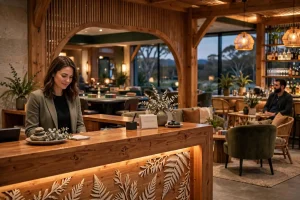
The same applies to a casino buffet more broadly. The word may be used in a listing, review or informal description without confirming that the service is currently available. A current venue page or direct confirmation should specify the meal period and applicable conditions. Until then, the practical value of the claim is limited: it identifies something to check, not something to count on.
Resort and rewards wording
“Casino resort” can describe a venue concept, but it does not establish which facilities, services or packages are offered at a particular property. It also does not, by itself, confirm that breakfast is included with accommodation or that a buffet is part of a stay. Those are separate terms and should be assessed separately.
Rewards language needs the same discipline. A programme name or general reference to casino rewards does not reveal eligibility, how points are earned, what they can be exchanged for, expiry rules or exclusions. No value can be assigned to a reward until those conditions are clear. A discount or points balance is not equivalent to cash unless the redemption terms make it so; benefits with restrictions should be valued at the amount they can actually reduce a payable cost.
Employment searches
A search for casino jobs in Western Australia indicates interest in work, not a current vacancy. It does not establish that a particular employer is recruiting, which roles are available, or what the pay and employment conditions are. Job titles can also cover different duties across departments, so a role label alone is not enough to compare positions.
A usable vacancy listing should identify the employer, role, location, duties, employment basis and application process. Pay, required experience and other conditions belong in the listing or formal employment material; they should not be inferred from the casino or resort label. Where a listing lacks those details, the missing terms matter more than the breadth of the headline.
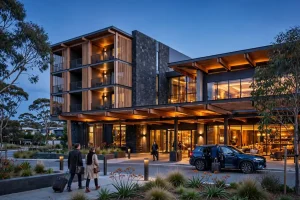
Breakfast, buffet, rewards and employment information each has its own confirmation point. A meal listing needs a current service schedule; a rewards offer needs its rules; a job needs an active vacancy and stated conditions. Treating any one of these as established by a general casino description turns an incomplete label into a decision.
Opening Hours, Development and Entertainment Updates
“Open” can refer to a casino’s general operating status, a particular gaming area, or a scheduled entertainment event. Those are separate questions, and one answer does not settle the others. A venue may be operating while a particular facility or programme has different hours; an announcement about future development does not establish that a project is complete or that services have resumed.
A search for a Western Australian casino’s opening hours therefore needs a property-specific, dated update. The phrase “casino in Western Australia” does not identify a particular venue or confirm its current status. Without a named property and a current notice, no opening time, temporary closure or reopening date can be treated as established. Old listings and undated reviews are especially weak evidence for a decision about a visit today.
Reopening language also requires care. “Reopening” may describe a proposal, a planned return after a closure, or an event that has already taken place. The distinction is operational, not cosmetic: a proposed date is not proof of resumed trading. A reliable update should identify the venue, specify what is reopening and carry a publication or revision date. If those details are absent, the status remains unresolved rather than confirmed.
Development is a different category again. A project announcement may describe an application, approval, construction or a completed change; these stages should not be collapsed into one claim that a casino has expanded or changed. A development update is useful only when it identifies the project and its stage. It does not, on its own, confirm current opening hours, available entertainment or the completion of work.
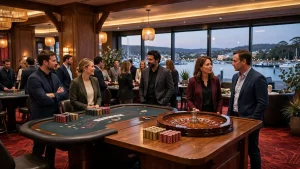
Entertainment information has a similar shelf life. A general statement that a venue presents entertainment cannot establish what is scheduled on a particular date. Event listings need a date and a clear indication that the programme is current. A review may describe a past visit, but it cannot substitute for an up-to-date schedule or prove that a performance is still planned.
Employment references also need to be read narrowly. A general mention of casino employment does not confirm that a vacancy is open, that applications are being accepted or that a role is located at a specific Western Australian venue. Those details belong to a dated job listing, not to an assumption based on the industry or a development headline.
A practical review separates four records: the named venue’s operating notice, dated reopening information where relevant, project updates that state their stage, and current entertainment listings. Each answers a different question. If a page merges them into one broad claim, the underlying status is harder to assess.
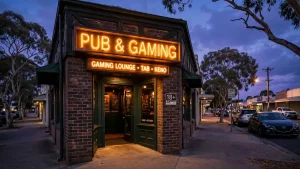
Menu information is another distinct matter: an operating update does not establish what food is available. Likewise, a casino review may offer an account of one visit, but its date and scope determine whether it says anything useful about present operations. For a decision tied to a particular day, only information that identifies the venue and applies to that day can settle the point.
Restaurant Searches: What Can Be Confirmed
A restaurant described as being “at” a casino is a different proposition from one described as being “near” it. The first implies that the dining venue is part of, or located within, the casino property. The second may refer to an independent business elsewhere in the surrounding area. Neither wording, by itself, identifies a particular restaurant or establishes its location.
The broader phrase “casino in Western Australia” also leaves the venue unspecified. It does not point to a confirmed restaurant, a particular menu or a current dining service. Naming a casino and a type of venue in the same phrase is not the same as documenting that the venue operates there. A dependable listing needs to connect the restaurant to a clearly identified property, rather than relying on wording that could describe several different places.

Restaurant details are separate items to verify. A venue’s name does not establish what it serves; a menu does not establish when the kitchen is open; and dining-room hours may differ from the operating hours of a casino or other parts of a property. Those distinctions matter when the purpose is a booked meal rather than a general visit. An old menu or directory entry can describe a past arrangement without confirming the current one.
The rooftop-bar wording requires another distinction. A bar may offer food, but that alone does not establish that it operates as a restaurant, serves a full menu or accepts dining reservations. “Rooftop” describes a setting, not a service standard. Before treating such a listing as a restaurant option, the venue’s own current information would need to state what food service is available and on what terms.
A useful restaurant listing would therefore make several connections explicit: the business name, its relationship to the casino property, the type of food service, the current menu and the applicable service times. Reservation arrangements and any conditions attached to dining would also be distinct from casino entry or gaming facilities. These are separate facts, not details that can be inferred from a general casino label.
The practical distinction is between a broad association and a confirmed offer. Until a current venue listing ties those details to a specific property, no particular restaurant can be presented as an established option. A casino-related dining phrase is a category; it is not, on its own, a usable booking record.
Address, Dress Code and Spa Searches
An address is the first practical detail to settle before planning a visit, but “casino in Western Australia” is not a precise venue name. The wording alone does not identify a property or confirm its street address. A location should be matched to the casino’s exact name and checked against a current, authoritative listing before travel. Similar search wording can point to different pages or businesses, and a mistaken match turns a simple journey into avoidable cost.
- Match the destination to the casino's exact name.
- Verify the street address against a current, authoritative listing.
- Check the official venue information for the current dress code.
- Confirm the current operating status of any specific amenity, such as a spa.
Dress-code searches need the same venue-specific treatment. A general label such as “casino dress code” does not establish what is permitted at a particular entrance, gaming area, bar or event. Policies may be set by the operator and may differ between spaces or occasions. Clothing guidance should therefore be taken from the relevant venue’s own current information, rather than inferred from photographs, old reviews or assumptions about formal dress. If the policy is not clear, confirmation from the venue is more useful than treating an unverified description as a rule.
Spa searches raise a separate question: whether a casino property has a spa, and whether it is open to the public or linked to another service. The words “casino spa” do not prove that a spa exists at the property being considered. Nor do they establish its treatments, access conditions, booking arrangements or operating times. Those details need to be confirmed against the specific facility, if one is identified. A spa should not be included in a visit plan as a settled amenity on the strength of a broad location search alone.
Careers searches are also distinct from visitor information. A casino careers page, if available, would concern recruitment rather than entry requirements or venue facilities. A search result does not confirm that a role is vacant, that applications are open, or that a listing belongs to the intended operator. Employment details should be checked against the employer’s current recruitment information, including the role location and application status. An expired listing is not an opportunity; it is just an old page.
References to games or bars likewise do not identify a particular venue or establish what it offers. Those are property-specific details, not reliable consequences of the word “casino.” For visit planning, the useful sequence is exact venue, confirmed address, applicable entry guidance, then any amenity or employment detail relevant to the purpose of the visit. That keeps logistics separate from assumptions and avoids treating a collection of search terms as a verified directory.
Food and Pool Queries: Amenities Not Verified
Food-service and pool searches concern separate practical questions. A casino’s association with hospitality does not establish that food is sold on site, that a food court operates there, or that a pool is available. Those details need confirmation for the specific venue and the intended visit.
“Food” can refer to several arrangements: a café, takeaway counter, food court or another service. The label matters because it affects what is available, where it is located and whether it suits a visit planned around the gaming floor. A search for a food court should not be treated as evidence that one exists. Nor does a listing for a venue establish that its food services are open at the time required.
The pool question is separate from food provision. A pool may be associated with accommodation or a broader resort, but that association alone does not establish access for casino visitors, current operating status or any conditions of entry. A facility’s existence and its availability to a particular visitor are not interchangeable.
For a Western Australian venue, the useful confirmation is specific: whether the amenity is on the premises, what kind of service or facility it is, and whether it is operating and accessible on the relevant date. Official venue information is the appropriate place to check those points; an outdated directory entry or a general description may not settle them.
This distinction keeps planning costs grounded. A food option can affect meal arrangements, while a pool can change what is packed or how time is allocated. Neither should be included in a visit plan as a confirmed feature until the venue’s current details support it. The search wording identifies an amenity of interest; it does not establish an amenity at any particular casino.